

Zim scientists dispel GM chicken myth
- By Zimpapers Syndication |
- 28 Dec, 2025 |
- 0
Sifelani Tsiko ---
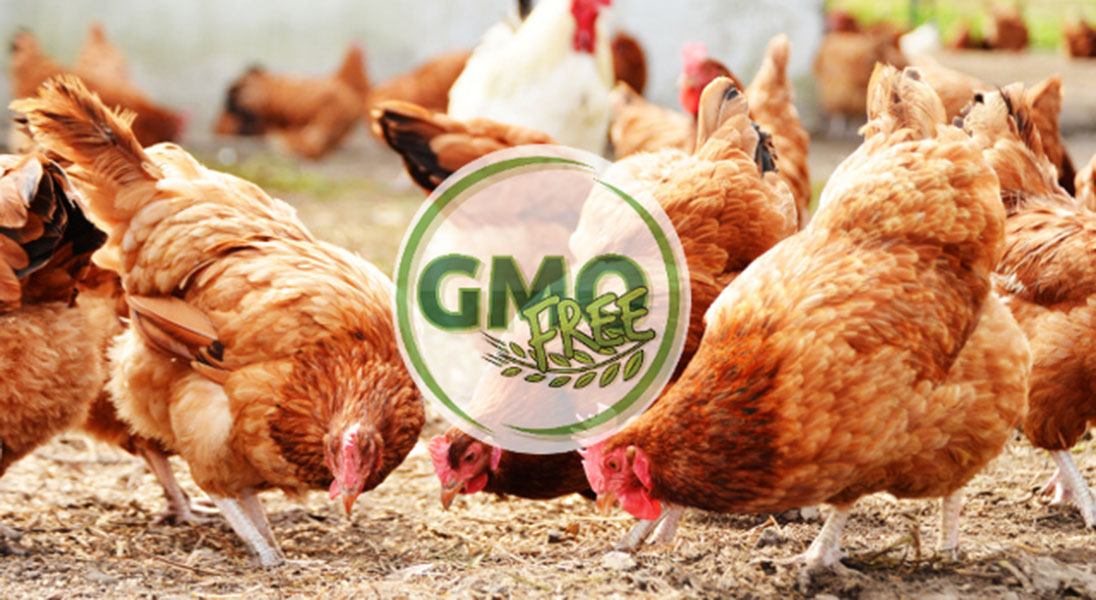
Local scientists want Zimbabweans to know: There’s no such thing as a genetically modified organism (GMO) chicken.
It is now common among most Zimbabwe that have dogged the fried-chicken chain for years in favour of the ‘road-runner’ – (free-range chicken) to allege that chickens sold in fast – food outlets and supermarket chains are GMOs and cause obesity, cancer, heart diseases and a host of other non-communicable diseases.
The rumours have proved so persistent across the country with so much being said by word of mouth while popular misconceptions have been most persistent online.
Top Zimbabwean scientists who attended a workshop addressing cultural and religious issues surrounding genetically modified organisms (GMOs) said the scientific consensus is that there are no GMO chickens and if anything, they will be too expensive for people to buy them.
They dispelled confusion over the GMO chickens myth at the workshop that was organised by the Assuring Agricultural and Food Safety of Genetically Modified Organisms (GMOs) in Southern Africa (GMASSURE) in partnership with the University of Zimbabwe.
The two-day workshop was held to create public awareness around the use of modern biotechnologies to demonstrate their relevance for increasing agricultural productivity and ensuring food safety in Southern Africa.
“There is a lot of misrepresentation of the truth,” says Dr Zephaniah Dhlamini, head of the Applied Genetic Testing Centre at the National University of Science and Technology (Nust).
“Anything big is a GMO. Zimbabweans are now at the mercy of anti – GMO activists who want to manipulate public opinion by denouncing modern biotechnologies despite their potential benefits.
“People are so obsessed with the idea that GMOs are unnatural. Of course, GM technologies are not a panacea, but we should embrace its potential benefits to find solutions to some of the most pressing problems we are facing such as climate change and poverty.”
Dr Dhlamini says chickens being sold on the Zimbabwean market have become bigger owing largely to the composition of nutrients found in the stock feed used.
“They grow faster and become big owing to the stock feed used. But this doesn’t make them GMOs even if they are fed with GM maize and soy.
“Consumers say the large chickens sold in South Africa are big and tasteless. Still they are not GMOs, but taste has much to do with muscle development. The chickens are fed with GM corn and other nutrients in air conditioned environments with limited movement.
“There is no muscle development to give it taste.”
Dr Jonathan Mufandaedza, head of the National Biotechnology Authority also weighed in into the debate, dispelling misconceptions: “Many people talk about GMO chickens. I want to tell you, there is no GM chicken. It’s a myth, let’s not confuse the public.”
Prof Idah Sithole-Niang, a University of Zimbabwe biochemist says: “Despite what people are reading the internet, there are no GMO chickens being manipulated in laboratories. If ever, scientists were to produce GM chickens they would too expensive putting them beyond the reach of many.”
The size of most broiler chickens found in the country, she says, were from the use of stock feeds with varying nutrients.
“Even if the chickens are fed with GM maize and soya, the proteins they produce, are broken down during digestion. The scientific consensus is that there are no GM chickens.”
Prof Christopher Chetsanga also allayed fears over chicken and other outlandish claims over GM food.
“GMOs are as safe to eat as other crops. There are no differences that would implicate a higher risk to human health,” he says.
“There is no evidence that GMOs in North America, where such items have been part of the diet since 1996, had contributed to a higher incidence of cancer, obesity, diabetes and other food allergies. We should not believe in these outlandish rumors.”
Religious and cultural leaders at the workshop say the rumours were being fueled out of ignorance and a widespread campaign of chicken disinformation on the Internet.
“Whenever you see large pieces of chickens with wide breasts and thighs, we immediately say that’s a GMO chicken,” says Rev Samuel Sifelani of the Anglican Church.
“The rumors about GMO have been around a long time and we want scientists to come out of their labs and inform the people about GMOs so that they can make informed decision about what they eat.
“Zimbabwean scientists need to play their part and debunk the myth.”
Dr Dhlamini says genetic engineering in agriculture has been taking place for ages with people conducting selective breeding and other techniques to improve quality and quantity of their breeds.
He says through modern molecular it is possible to endow crops such as maize and rice with important traits, especially in places with high rates of malnutrition and hunger.
Dr Dhlamini says one variety of rice has been modified with genes from corn and a common soil bacterium that together produce beta carotene, which the human body uses to make vitamin A.
The lack of the vitamin causes blindness in hundreds of thousands of children in Asia and Africa each year.
Several anti -GMO groups worldwide protest against GMO technologies, saying, without evidence, that it could pose unforeseen risks to human health and the environment while profiting big agrochemical companies.
Agriculture, Mechanisation and Irrigation Development Minister, Dr Joseph Made, who has blocked the adoption of GMO technologies in Zimbabwe, argues that the country continues to achieve high genetic yields of crops using conventional crop improvement.
“The current debate and uncertainty surrounding bio-engineered GMO products makes it imperative for Zimbabwe to be cautious and keep the latter out of our food and feed chains,” he told a parliamentary committee early this year.
He further argues that Zimbabwe only needs to improve its cross-breeding techniques, invest in irrigation development and promote access to affordable inputs to increase crop yields.
Dr Made, with the backing of anti – GMO lobbyists fears multinational companies will introduce terminator seeds – sterile seeds that will deny the farmers an option to keep their own seeds forcing them to rely on expensive seed from giant biotech companies.
But scientists differ with anti – GMO lobbyists.
“Negative and inaccurate information is preventing the adoption of new agricultural that could significantly transform the livelihoods of the majority of farmers here in Zimbabwe. We have challenges that are not being addressed by conventional approaches in agriculture,” says Prof Niang - Sithole.
“By 2040 about 9 billion people will need to be fed and tell me how we going to feed them in the wake of climate change, dwindling water and land resources? Our global food basket is very narrow now and 80 percent of the world’s caloric intake now depends on four crops – maize, wheat, potatoes and maize.” - Zimpapers Syndication Services
Related Stories
SADC urged to exploit opp
Perceptions on donkeys ne

NGO targets to vaccinate
Poison threatens Sadc’s
Local NGO launches rhino

Africa urged to engage yo

Zim needs to invest in we

Zim likely to receive goo

Sadc urged to strengthen

SADC centre needs US$2m t

Rainy conditions to persi
Experts renew calls for r
No Comments
Comment