

Zim urged to domesticate treaty
- By Zimpapers Syndication |
- 10 Jan, 2026 |
- 0
Sifelani Tsiko ---
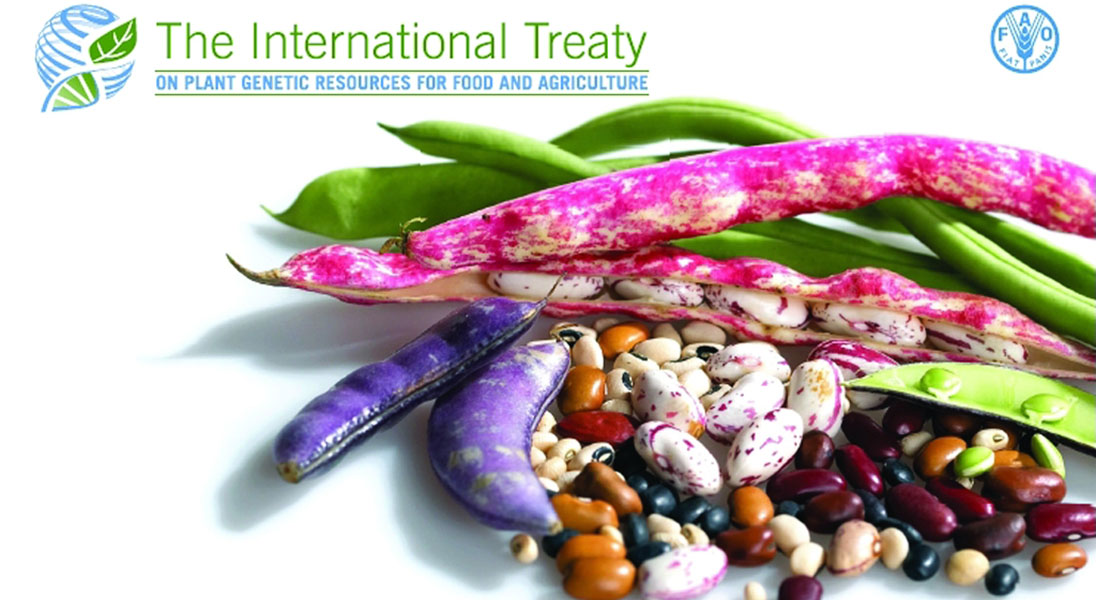
Zimbabwe must take practical steps to domesticate the International Treaty on Plant Genetic Resources for Food and Agriculture (ITPGRFA) that aims to protect indigenous knowledge on plant genetic resources and equitable access and benefit sharing from those resources.
Speaking at the launch of the UN Food and Agricultural Organisation – Benefit Sharing Fund project for Malawi, Zambia and Zimbabwe recently, Patrick Kasasa, a crop biodiversity expert of the Community Technology Development Trust (CTDT) which was implementing the project, said delays in the domestication of the Treaty could cost the country its valuable plant genetic resources.
“Even though Zimbabwe had ratified the treaty, the country still has not domesticated the Treaty or sections of it,” he said.
“Domesticating the Treaty will help our farmers to conserve our indigenous seed diversity which is rapidly being lost in many parts of the country.
“We are appealing to the Government to move with speed and domesticate the Treaty or sections of it to help conserve the country’s rich crop diversity which is under immense threat.”
Zimbabwe ratified the ITPGRFA in October 2002. The Treaty promotes conservation and sustainable use of plant generic resources for food and agriculture as well as for fair and equitable sharing of benefits arising from their use.
The ITPGRFA also seeks to recognise the right of the farmer to protect indigenous knowledge on plant genetic resources and share benefits from those resources.
Article 9 of the treaty also seeks to make farmers realise their right to produce, save, exchange, re-use, participate in decision making and protect their local knowledge systems.
While Zimbabwe was among the early countries to ratify the treaty, efforts to domesticate the Treaty was slowed down by the complex review process, overlapping roles of ministries, underfunding, bureaucracy and lack of urgency on the part of the government, legal and agricultural experts say.
“Mining activities in the Marange diamond fields have resulted in the loss of a huge plant genetic resources base,” Kasasa said.
“The eviction of farmers from the diamond fields led to the disappearance of some seed crops owned by the farmers. If we enact laws on the Treaty, it can help us save some of the seed.
“The ministry (agriculture) should follow – up and pile pressure for the domestication of the Treaty.”
However, Agriculture, Mechanisation and Irrigation Development Ministry official Joseph Gondo said the onus lay on NGOs and other agricultural movements to lobby strongly for the domestication of the treaty.
“You have to lobby the seed department in our ministry to push for the domestication of the whole Treaty or sections of it,” he said.
“We need to lobby MPs so that they can have new issues to debate on.”
Smallholder farmers from Malawi, Zambia and Zimbabwe are set to benefit from a US$1 million FAO – Benefit Sharing Fund project that aims to promote crop diversity conservation and reduce the impact of climate change and other natural disasters on the livelihoods of resource - poor farmers.
CTDT is spearheading the implementation of the project which seeks to facilitate the implementation of Strategic Action Plans for plant genetic resources and use for the improvement of food and nutrition security under changing climate change.
“We should raise awareness on the implementation of the ITPRGFA and its obligations,” Kasasa said.
“We need to articulate the need for domestication of the Treaty to help our farmers to save, use and freely exchange their own indigenous seed crop diversity.”
CTDT has assisted rural district councils in implementing some of the provisions related to the Treaty.
These include the development of Access, Benefit, Sharing by-laws which enable local communities to benefit from their natural resources.
“We need to promote ABS issues and identify issues which are stumbling the domestication of the Treaty,” Kasasa said.
Article 9 of the treaty seeks to make farmers realise their right to produce, save, exchange and use own farm seed, participate in decision making and protect their local knowledge systems
Through the ITPGRFA, the UN hopes to fight hunger and poverty and achieve Sustainable Development Goals 1, 2 and 3 which aim to eradicate poverty and hunger and promote well-being for all ages.
Health experts bemoan the erosion of indigenous vegetables, indigenous crop varieties such as sorghum, pearl and finger millets, cowpeas, bambara nuts and other neglected and under-utilized crop species (NUS) such as taro and madhumbe which they argue are important in improving the nutrition of people particularly now when there is a rise in non-communicable diseases such as cancer, diabetes and others.
They say it is worrying that the consumption of indigenous vegetables, cereals and legumes had declined sharply with the introduction and aggressive promotion of exotic vegetables (cabbages, spinach, carrots, and broccoli) and other fast foods.
They also say that a serious local effort to promote the highly nutritious indigenous food stuffs is critical for farmers to realise meaningful economic benefits from conserving their crop diversity.
Most Zimbabweans living in communal areas are still not aware of their right to access and share the benefits of indigenous genetic resources.
While Zimbabwe grapples to domesticate the Treaty, the country’s rich biological diversity resource base made up of 4 400 plant species comprising of about 1 500 genera (sub-family in the classification of organisms) and 200 families is being lost through biopiracy while local communities endure abject poverty.
Genetic resources experts say that the country’s genetic resources have been leaked out of the country for many years now due to lack of laws against biopiracy.
They also say that Africa could be losing more than US$15 billion from its biodiversity as medicines, cosmetics, agricultural products and indigenous knowledge surrounding these are being patented illegally by multinational companies without there being evidence of benefits accruing to local communities in countries of origin.
They say biopiracy cases are still rising as most African countries are losing huge benefits from their resources due to lack of legal protection against biopiracy.
Zimbabwe is also rich in domesticated plant resources which include cereals, industrial and horticultural crops, indigenous and exotic vegetables, roots and tubers and medicinal plants.
“Very little attention has been given towards inventorying, documentation of diversity and distribution of the country’s plant genetic resources even though there are reported to be threatened,” Kudzai Kusena, acting curator of the Genetic Resources and Biotechnology Institute (formerly the National Gene Bank of Zimbabwe) was quoted saying in 2014.
The global economic importance of genetic resources is estimated to be between US$500 billion and US$800 billion but very little trickles to local communities in countries of origin.
Zimbabwe was among the first countries to sign the Treaty, but now among the last to implement.
Failure to domesticate the Treaty is leaving its plant genetic resources open to unsustainable exploitation.
Sooner or later, the crop diversity will be eroded.
Related Stories
SADC urged to exploit opp
Perceptions on donkeys ne

NGO targets to vaccinate
Poison threatens Sadc’s
Local NGO launches rhino

Africa urged to engage yo

Zim needs to invest in we

Zim likely to receive goo

Sadc urged to strengthen

SADC centre needs US$2m t

Rainy conditions to persi
Experts renew calls for r
No Comments
Comment